 Smooth Air
Are go-arounds dangerous? What an aborted landing means
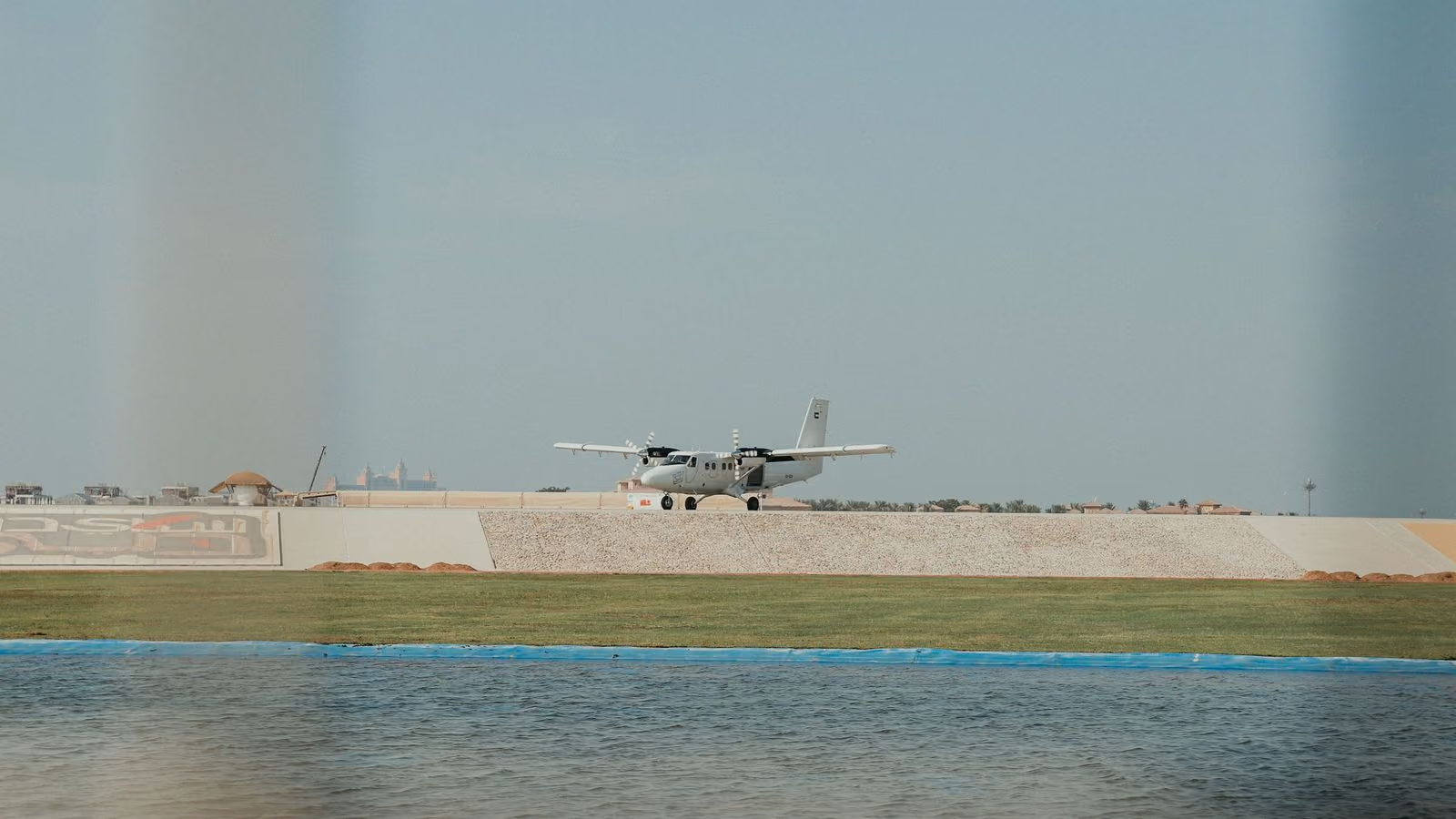
A go-around is a planned procedure, not an emergency in itself: pilots stop the landing, add thrust and climb away to try again or divert. NASA defines it as the pilot aborting the approach or landing because it is deemed unsafe to proceed. So are go-arounds dangerous? No procedure is risk-free, and this guide cannot judge why your flight did one.
Why do pilots abort a landing?
The decision belongs to the crew, or to air traffic control when it asks for one. EASA’s guidance for general aviation instructors puts the principle plainly: whenever landing conditions are not satisfactory, a go-around is warranted. Its examples include an ATC request, an unexpected hazard on the runway, wind shear, another aeroplane ahead and an unstable approach.
Those are among many possible reasons, and the leaflet is aimed at small-aircraft training, not airline operations. The principle is the useful part: the procedure exists so that a landing that does not look right does not have to be completed. The reasons range widely, so the roar and the climb cannot tell you from your seat which one applied.
How often do go-arounds happen, and are they dangerous?
NASA’s paper, which analysed data from major US airlines, says go-arounds occur on average at a rate of one to three per 1,000 approaches. At the 30 core US airports the figure was 3.9 per 1,000 arrivals in fiscal year 2023. These are US numbers; no global or European rate is cited here.
A Boeing captain quoted by the Flight Safety Foundation says that doing a go-around is not without any risk, and that the lack of a decision is the leading risk factor. In context, he is discussing timely decisions: deciding earlier can make a go-around easier to execute than waiting until the last second. Pilots learn the manoeuvre early, and SKYbrary calls it a fundamental skill that is taught, learnt and practiced.
Why was it so loud and steep?
Most commercial aircraft have a takeoff/go-around mode that activates takeoff or go-around thrust, so the engines go to high power. That explains why engine noise can increase; it does not establish what happened on your flight.
FAA material for pilots says rapid acceleration can create a false nose-up sensation. Applying that mechanism to a passenger during a go-around is an inference: it may contribute to how steep the climb feels, but it cannot explain every sensation. Our guide on why the plane feels like it is falling after takeoff explains that effect.
What can you do in the minutes afterward?
Follow crew instructions first and keep your seat belt fastened. Then try this:
- Feel your feet on the floor and both hands on the armrests.
- Use a simple reminder: “The landing was stopped. I will follow the crew’s instructions while they decide what comes next.”
- Breathe in gently through the nose and out through the mouth, letting the breath go down into your belly without forcing it. The NHS says some people find counting from 1 to 5 helpful, and suggests repeating the exercise for at least 5 minutes. Two minutes is a start.
Nothing here promises the second approach will feel calm. The crew assesses conditions again and may divert, so it is fine not to know exactly what happens next.
Smooth Air includes breathing practices. If you use the app, consider choosing a practice before boarding so you have one ready later. It is an option for the moment, not anxiety treatment or a safety assessment.
When to get help
If your heart is racing or you feel faint, note that most panic symptoms can also be symptoms of other conditions, so tell a crew member about anything new or severe instead of waiting it out. If a go-around has made you dread flying, or you start avoiding flights because of it, talk to a doctor about support. For help on board, see our guide on what to do if you panic on a plane.
Common questions
Is a go-around an emergency?A go-around is a procedure in which pilots stop the landing, climb away and try again or divert, because they judged it unsafe to continue. It is not an emergency by definition. This guide cannot say why your flight did it, but the crew can tell you what they are able to share.
How often do go-arounds happen?In US airline data cited by NASA, go-arounds occur on average about one to three times per 1,000 approaches, and 3.9 per 1,000 arrivals at the 30 core US airports in fiscal year 2023. Those are US figures. No sourced global or European rate is available here.
Why was the engine so loud during the go-around?During a go-around the engines go to high power to climb away, and most commercial aircraft have a mode that sets takeoff or go-around thrust. FAA pilot material says rapid acceleration can create a false nose-up sensation. Applying that mechanism to passengers is an inference, not a measurement of your flight.
Can I ask the pilot why we went around?You can ask a flight attendant. They decide what they can find out and share, and the pilots may be busy. Examples of reasons include air traffic control requests, something on the runway, wind shear or an unstable approach, but the reason on your flight stays with the crew.
Sources
Support without internet
Use Smooth Air to explore aircraft sounds and keep self-help practices ready for your flight. Not treatment or a safety check.