 Smooth Air
What to do if you have a panic attack on a plane
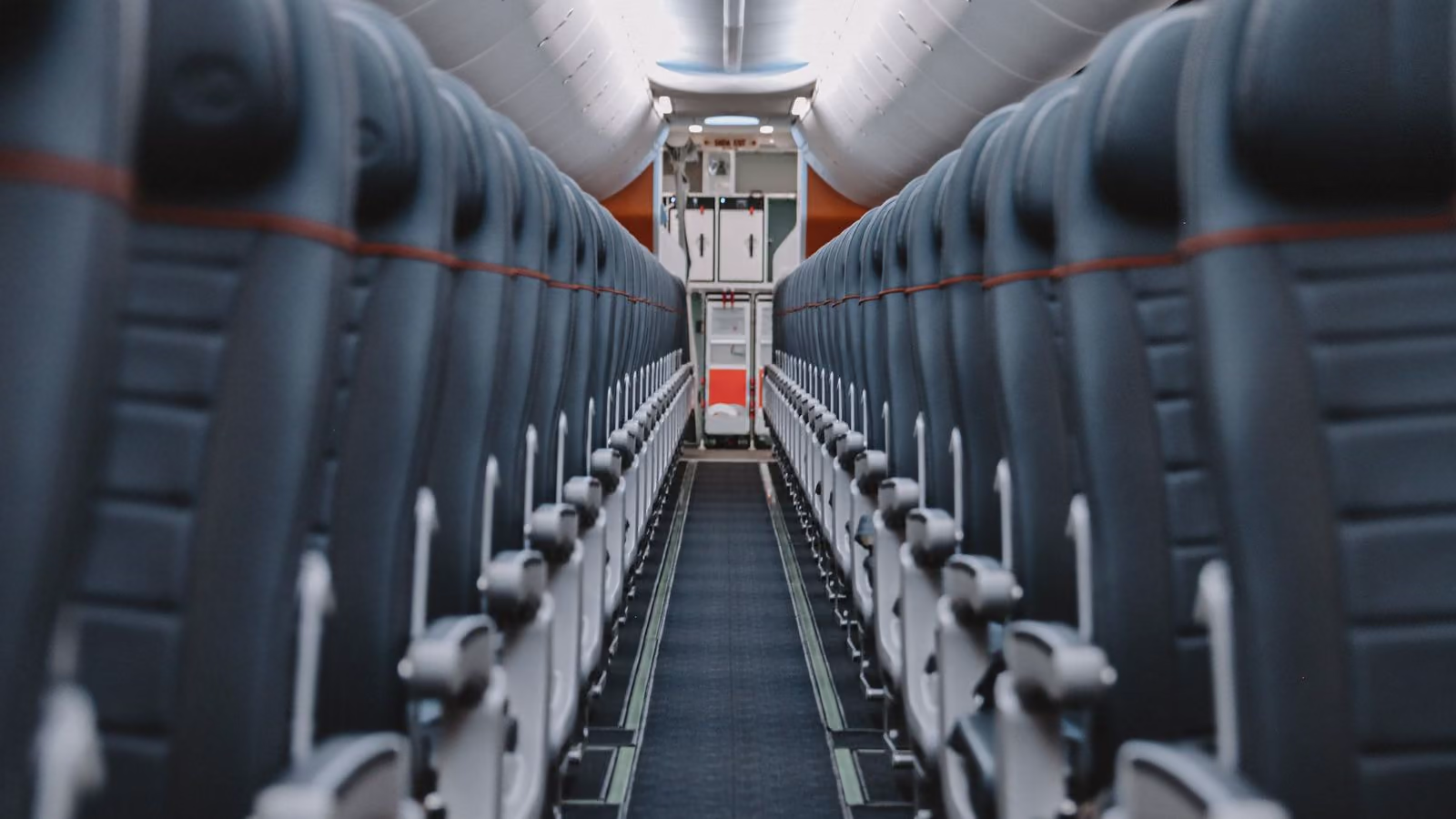
If you have a panic attack on a plane, the NHS advises you to stay where you are if possible, breathe slowly and deeply, and remind yourself that the attack will pass. Most attacks last between 5 and 20 minutes. Tell a flight attendant what is happening, and do so straight away if you have chest pain or symptoms that are new or severe, because panic symptoms can have other causes.
What can you do in your seat?
Follow the crew’s instructions first, including the seat belt sign. Then work through these in order and stop at whichever one helps:
- Stay put. If panic attacks are familiar to you, tell yourself the NHS line: the attack will pass. That is a reminder, not a promise about timing.
- Press your feet into the floor and hold the armrests. This is our practical suggestion for focusing attention, not a measured treatment effect.
- Slow your breathing. The NHS describes breathing in through the nose and out through the mouth, gently and regularly, with an optional count from 1 to 5. If it feels like too much, go back to breathing normally for a few breaths.
- Ground yourself. NHS inform gives the 5-4-3-2-1 method: five things you can see, four you can feel, three you can hear, two you can smell, one you can taste. A shortened version is to name only what you can see.
These steps will not necessarily stop or shorten an attack. They offer something to focus on while it runs its course.
Smooth Air includes breathing practices. If you use the app, choosing a practice before boarding can spare you a search during a difficult moment. This is not anxiety treatment, and the app cannot assess flight safety.
What do you say to the crew?
You do not need a diagnosis. A short sentence is enough, and you can say it quietly when a flight attendant passes or by pressing the call button:
- For anxiety: “I’m very anxious and I think a panic attack is starting. Can I let you know if it gets worse?”
- For anything physical: “I have chest pain” or “I can’t get my breath, and I’m not sure this is anxiety.”
What the crew can do is theirs to decide. US airlines under Part 121 must train crew in emergency medical event procedures. That is a rule for US carriers, and it does not turn crew into anxiety counselors. One Japanese airline states that its cabin crew cannot perform medical acts or individual care on board. Telling them still means someone on board knows what is happening. For more wording you can use, see our guide on telling the flight crew you are scared.
How long does it last, and is it dangerous?
The NHS says most panic attacks last between 5 and 20 minutes, and some have been reported to last up to an hour. It also says that although panic attacks are frightening, they are not dangerous and will not cause you any physical harm. Both statements describe an attack that is confirmed as one. Do not assume that unfamiliar symptoms are panic, which is why the next section matters.
When should you ask for urgent help?
The same NHS page notes that most panic symptoms can also be symptoms of other conditions. NIMH adds that panic attacks often include physical symptoms that might feel like a heart attack, such as trembling, tingling or a rapid heart rate. So do not decide alone that it is only panic. If chest pain is new, severe or not going away, or you are unsure, alert the crew immediately. The NHS says to get immediate medical help if you think you are having a heart attack.
What if this keeps happening?
The NHS describes a cycle in which people avoid situations because they fear another attack, and live “in fear of fear”. If that is starting to shape your travel, talk to a doctor. In England, the NHS says you can refer yourself directly to a talking therapies service for treatment based on cognitive behavioural therapy, and NIMH calls CBT a research-supported treatment for panic disorder. Medication questions are for a doctor, not for this page. If you are planning to fly again, our guide for the night before a flight is a practical place to start.
Common questions
Will the crew help me if I have a panic attack?Tell a crew member and they decide what they can do. A US Part 121 rule requires crew training for emergency medical events, but that is not anxiety care, and one Japanese airline states its cabin crew cannot perform medical acts. Say plainly what you feel and what you need.
What do I say to the flight attendant?Keep it to one or two sentences: "I am very anxious and I think a panic attack is starting. Can I let you know if it gets worse?" If you have chest pain, trouble breathing or anything new, say that instead and say you are not sure it is anxiety.
How long does a panic attack last?The NHS says most panic attacks last between 5 and 20 minutes, and some have been reported to last up to an hour. This describes a range, not a deadline for your symptoms. Techniques can help you cope while it passes, but they do not set the timing.
Is a panic attack dangerous?The NHS says that although panic attacks are frightening, they are not dangerous and will not cause physical harm. That applies to an attack that really is one. If symptoms are new, severe or you are unsure, tell a crew member, because the same symptoms can have other causes.
Sources
Support without internet
Use Smooth Air to explore aircraft sounds and keep self-help practices ready for your flight. Not treatment or a safety check.