 Smooth Air
Claustrophobia on a plane: a plan from boarding to landing
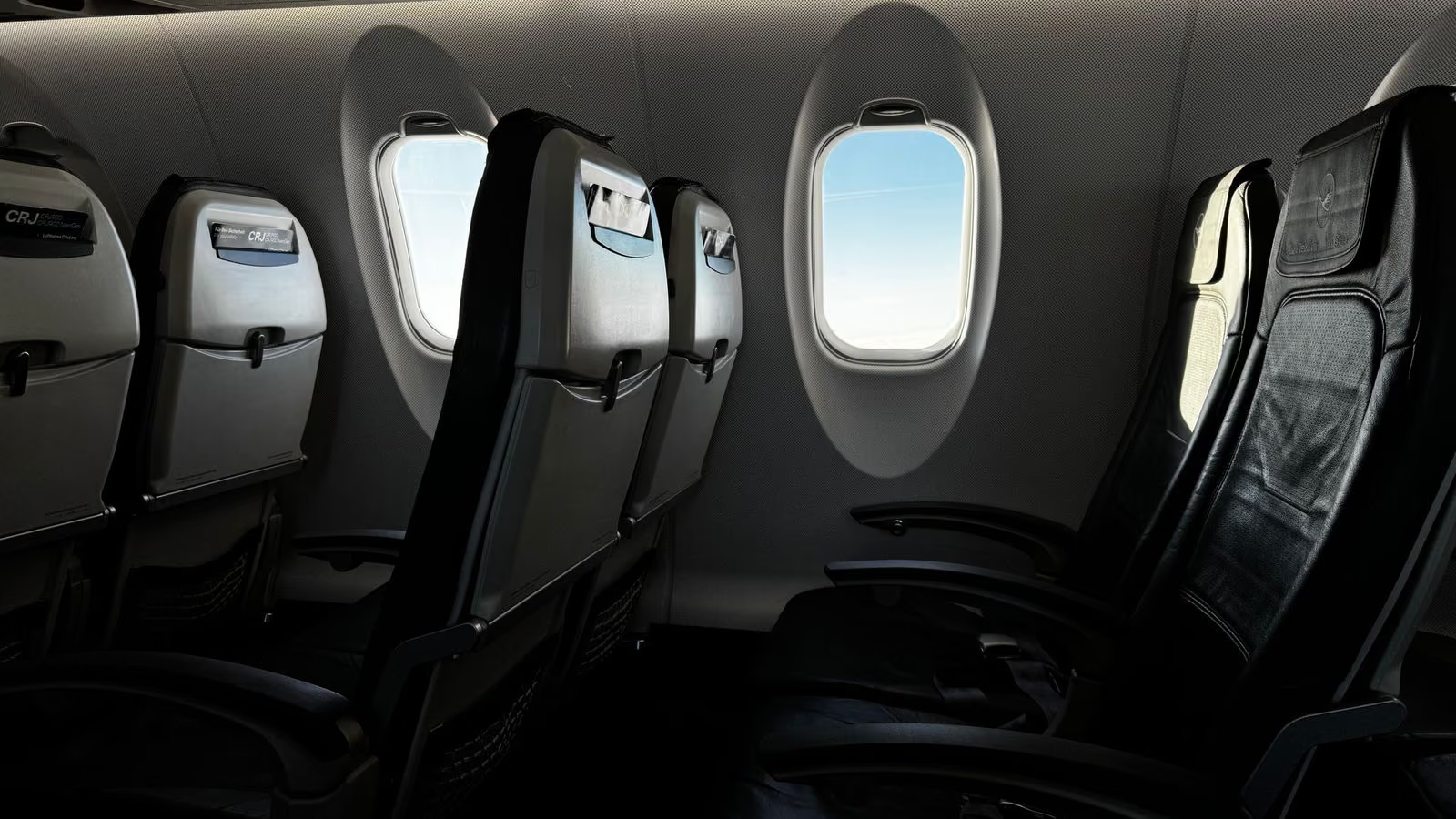
Claustrophobia on a plane is the fear of being shut in a confined space, and the NHS says people with claustrophobia can have panic attacks. It is a different fear from flying itself, though the two can occur together. During the flight, getting off is not an option, so the useful plan is to prepare for each phase: boarding, the closed door, the seat belt sign and the descent.
Is it claustrophobia or fear of flying?
The NHS lists flying and being in a small space as separate examples of situational phobias. You can fear the closed cabin, the flight, or both. This guide cannot diagnose either, and the page does not say how often they come together.
You do not have to settle it before you travel. You can tell a doctor whether the closed cabin or the flight frightens you more, though noticing the difference is not a diagnosis.
What about the air and the doors?
If air is one of your worries, Airbus says that air in its cabins is replenished about every 2 to 3 minutes in normal operations. That figure is for Airbus aircraft only, so it does not describe every plane.
The second is the door. FAA certification rules require that each door has means to safeguard against opening in flight as a result of mechanical failure or failure of any single structural element. That is a design requirement for transport-category airplanes, not a promise about one aircraft.
What is the plan for each phase?
You cannot change the fact that the door stays closed, but you can prepare for each phase.
- When you choose a seat, note that the sources in this guide do not rank them for claustrophobia. As a practical suggestion, consider which available seat feels less confining, within the airline’s rules, and keep the aisle clear.
- Boarding order is a personal call. Consider whether you would prefer time to settle in or less time waiting in your seat, if the airline offers a choice. This is a practical suggestion, not an evidence-based ranking. Choose what you can tolerate, and tell a crew member you are a nervous flyer. Our guide on what to tell the flight crew has short wording.
- With the door closed, give your attention a task: slow breathing, the NHS way, in through the nose and out through the mouth, with an optional count from 1 to 5, as described on its breathing exercise page.
- For the seat belt sign, the FAA says US regulations require passengers to be seated with belts fastened whenever the sign is illuminated in flight, and it advises keeping the belt buckled at all times while seated. When the sign is off and the crew allow it, you can stand and walk the aisle.
Smooth Air includes breathing practices. If you use the app, consider choosing a practice before boarding so it is ready when you want it. This option does not treat anxiety or tell you whether a flight is safe.
When should you get help?
If you feel panic starting, our guide on what to do if you panic on a plane goes through it step by step. Tell a crew member about symptoms that are new or severe, such as chest pain. The NHS says most panic symptoms can also be symptoms of other conditions, so do not decide alone that it is only claustrophobia.
Avoiding enclosed places is understandable, but the NHS says avoiding these places may reinforce the fear. It lists talking treatments, including CBT and exposure therapy. If the fear is shaping where you go and how you travel, a doctor can tell you what is available. Do not try to force yourself through exposure on a flight.
Common questions
What if I can't get off the plane?In flight, getting off is not an option, so the plan is to make staying bearable. Choose a seat that gives you room, tell the crew, breathe slowly, and stand when the seat belt sign is off and the crew allow it. Alert a crew member at once if symptoms are new or severe.
Which seat is best for claustrophobia?The sources in this guide do not rank seats for claustrophobia. Consider whether an aisle or window seat would feel less confining to you, within the airline's rules, and keep the aisle clear. You can also tell the crew how you feel.
Is it claustrophobia or fear of flying?The NHS lists flying and being in a small space as separate examples of situational phobias, so a person can have either or both. This guide cannot diagnose either. Noticing whether the enclosed cabin or the flight itself frightens you more is useful to tell a doctor.
Is there enough air in the cabin?Airbus says air in its cabins is replenished about every 2 to 3 minutes in normal operations. It describes a mix of outside air and filtered recirculated air; its HEPA filters remove more than 99.9 percent of micro- and nano-particulates. That figure covers Airbus aircraft only and does not describe every plane or flight.
Sources
Support without internet
Use Smooth Air to explore aircraft sounds and keep self-help practices ready for your flight. Not treatment or a safety check.