 Smooth Air
Why does the plane feel like it's falling after takeoff?
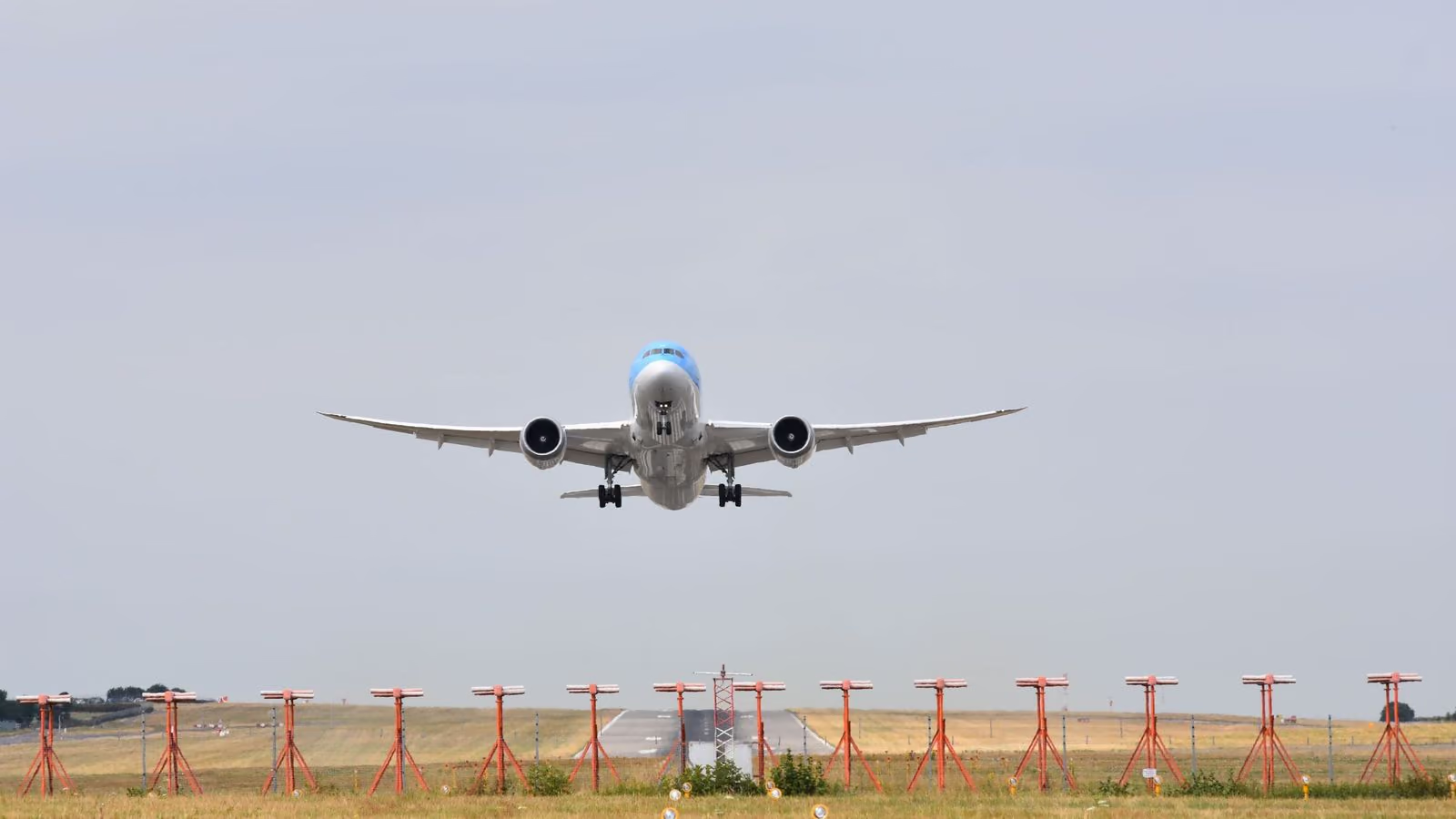
The plane can feel like it’s falling after takeoff because inner-ear responses to changes in acceleration can contribute to that sensation. FAA material for pilots says rapid acceleration feels like tilting your head backward, and the opposite change can feel like the nose dropping. Under US transport-category certification rules, the airborne takeoff path must have a positive slope at every point. This is a certification requirement, not evidence that your flight is gaining altitude.
What is your body sensing right after liftoff?
Deep in the inner ear are the otolith organs, which detect changes in linear acceleration and gravity. The FAA describes how acceleration can create a misleading sense of aircraft pitch.
The FAA texts were written for pilots, mostly about flying in poor visibility. A passenger’s version of the same effect is an extension of that mechanism, so it can feel this way, not that it always does. If you feel a push into the seat or a floating drop, this mechanism may contribute, but it does not explain every sensation. The sensation is real. What it says about the airplane’s path is the part that can mislead.
Why can the engine sound change during the climb?
FAA material for pilots describes a false nose-up sensation during rapid acceleration and the opposite effect during rapid deceleration. Applying that to passenger sensations is an inference; it does not show that a routine thrust reduction causes a particular feeling.
A power reduction can be planned. An FAA circular on noise abatement departures describes a thrust cutback at no less than 800 feet above the airport. In one standard profile the cutback comes before flap retraction, and in the other flap retraction starts first. Order and timing differ between operators and flights, so you cannot count seconds and know what is “supposed” to happen. If the engines get quieter at this point, our guide on why engines sound quieter after takeoff covers that side of it.
Is the plane really losing altitude?
A sensation alone cannot establish whether the plane is gaining or losing altitude. Under US rules for transport-category airplanes, the airborne takeoff path determined for certification must have a positive slope at each point (14 CFR 25.111). That describes performance under certification conditions. It is not a reading from the instruments on your flight, and nothing in this article can assess one particular departure.
What can you do in the first minute?
Follow crew instructions first. If the seat belt sign is on, stay seated and belted. Then you can try this short sequence:
- Press both feet flat on the floor and rest your hands on the armrests. This is a practical suggestion for focusing attention, not a measured treatment effect.
- Say what is happening in plain words: “I feel a drop. That feeling alone cannot tell me the flight path.”
- Breathe the way the NHS describes: in gently through the nose, out through the mouth, letting the breath flow down into your belly as comfortably as possible, without forcing it. Counting from 1 to 5 is optional.
A minute is a start, not the full exercise: the NHS page suggests repeating it for at least 5 minutes and says regular practice helps most. This sequence will not switch the feeling off on command, but it offers something to focus on during departure.
Smooth Air includes breathing practices. If you use the app, you could choose a practice before boarding to have it ready for takeoff. A practice cannot treat anxiety or assess the safety of your departure.
When to get help
If the sinking feeling comes with chest pain, severe dizziness or symptoms that are new to you, tell a crew member. The NHS says most panic symptoms can also be symptoms of other conditions, so you may not always be having a panic attack. If dread of takeoff keeps you off planes or clouds the days before a trip, talk to your doctor about support. Our guide on what to do if you panic on a plane covers the on-board side.
Common questions
Is the plane really losing altitude after takeoff?Not necessarily. Inner-ear responses to acceleration can contribute, but they do not explain every sensation. US certification rules for transport-category airplanes require the airborne takeoff path to have a positive slope at every point. Neither that certification requirement nor a feeling can confirm the altitude on your flight.
Is it normal for the engines to change sound after takeoff?Reduced engine power during the initial climb is a planned part of many departures. An FAA circular describes a thrust cutback at no less than 800 feet above the airport, either before or after flap retraction. The timing varies by operator, so sound alone cannot confirm your flight's profile.
Why does takeoff feel so scary?Changes in acceleration can affect how takeoff feels. FAA pilot material describes false nose-up sensations during rapid acceleration and the opposite sensation during rapid deceleration; applying this to passenger sensations is an inference. Fear of that sensation is understandable, and slow breathing is one thing to try. A sensation by itself does not tell you what the aircraft is doing.
Sources
Support without internet
Use Smooth Air to explore aircraft sounds and keep self-help practices ready for your flight. Not treatment or a safety check.