 Smooth Air
Anxious about your first flight in years? What to expect
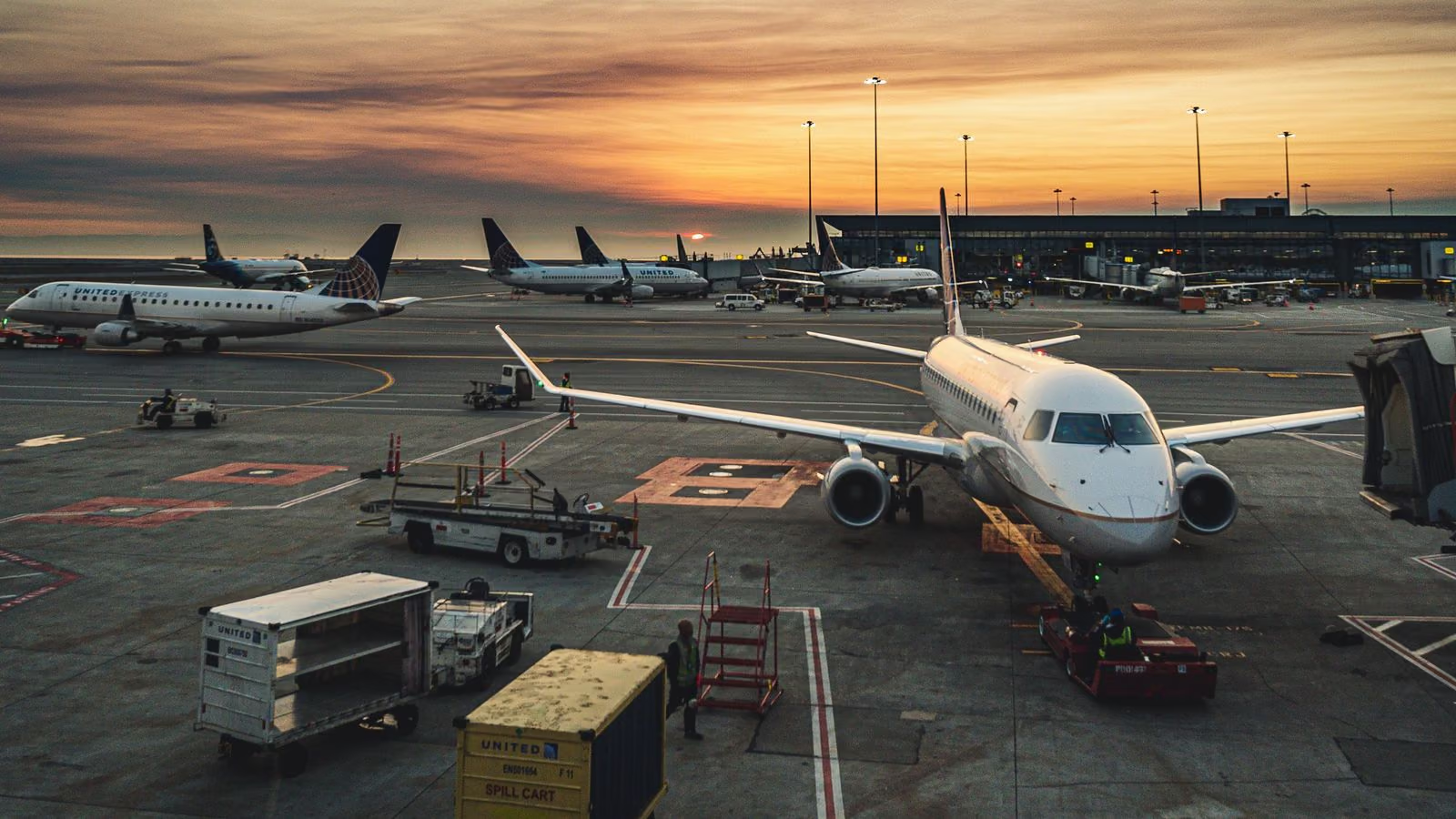
Anxiety about a first flight in years is understandable, and one practical option is to plan for fewer surprises: extra time at the airport, a clear idea of each phase of the flight, and one breathing technique ready. The NHS says avoiding situations can make fears grow, so a planned return is worth the effort. No plan can promise a calm flight.
Is it normal to be nervous after years away?
It makes sense. The NHS describes how avoiding a feared situation can bring short-term relief but make it harder to face, and says that gradually facing the things we fear can help us feel more in control. That general guidance does not establish how a long gap affects any one person. We found no figure for how common this is, so we will not claim to know.
Think of the trip as one step, not a test you have to pass. A difficult moment does not mean you have failed.
What should you expect at the airport and on board?
Do not trust your memory of the routine. The US TSA says to allow time for parking or a shuttle, airline check-in, a boarding pass and security screening, including your carry-on bag, and that times vary. It gives no fixed number of hours, so look at your airline’s and airport’s own pages for this trip.
On board, keep your seat belt fastened whenever you are seated. EASA says it recommends this at all times, and that the real safety risk is passengers ignoring crew instructions about the belt. The same page says turbulence is harmless most of the time because planes are built to withstand extreme conditions. Our guide on how turbulence works goes further.
If you are worried about a feeling of dropping after takeoff, see why the plane can feel like it is falling.
For ears, MedlinePlus says swallowing or yawning can unclog blocked ears when you go up or come down, and chewing gum helps by making you swallow often.
Is flying safer now?
IATA’s 2025 report gives a five-year rate of one fatal accident per 5.6 million flights (2021 to 2025), compared with one per 3.5 million a decade earlier (2012 to 2016). It is a global measure for commercial aviation as IATA defines it. It does not tell you how your flight will go, and flying is not risk-free: the same release counts eight fatal accidents in 2025.
How do you plan the first stretch of the flight?
Follow crew instructions first. Then decide in advance what you will do when each of these happens:
- At boarding, tell a crew member you are a nervous flyer if you want to. A short sentence is enough.
- While the door closes and the plane taxis, breathe in gently through the nose and out through the mouth, as the NHS describes in its breathing exercise. Counting from 1 to 5 is optional.
- At takeoff, expect noise and acceleration, and say to yourself what is happening: “This is takeoff power. The climb comes next.”
- Once the seat belt sign is off, give yourself a task: a podcast, a book, a drink of water.
Smooth Air includes breathing practices. If you use the app, you could pick a practice before boarding rather than look for one during the flight. Having one ready does not treat anxiety or assess your flight’s safety.
When to get help
The NHS says most panic symptoms can also be symptoms of other conditions, so tell a crew member about anything new or severe, including chest pain, and do not wait to see whether it passes. If fear has kept you off planes for years, or the idea of this trip leaves you unable to sleep or eat, talk to a doctor about support before you go. If panic starts on board, see what to do if you panic on a plane.
Common questions
Is it normal to be nervous before a first flight in years?It is understandable, though we have no figure for how common it is. The NHS says avoiding feared situations can make fears grow, but that does not establish what a long gap does to any one person. Planning ahead is a reasonable step, and you do not need to feel calm in order to fly.
What should I expect at the airport?The US TSA says to allow time for parking or a shuttle, airline check-in, a boarding pass and security screening, including screening of your carry-on bag. Times vary, so check with your airline and airport instead of relying on memory. We cannot say what has changed at your airport.
Is flying safer now than it used to be?IATA reports one fatal accident per 5.6 million flights over 2021 to 2025, compared with one per 3.5 million over 2012 to 2016. That is a global industry measure, not a forecast for your flight, and fatal accidents still happen: IATA counted eight in 2025.
What can I do about ear pressure?MedlinePlus says swallowing or yawning can unclog blocked ears when you are going up or coming down from altitude, and that chewing gum helps because it makes you swallow often. Ask a doctor or pharmacist about anything beyond that.
Sources
Support without internet
Use Smooth Air to explore aircraft sounds and keep self-help practices ready for your flight. Not treatment or a safety check.