 Smooth Air
Why do plane engines get quieter after takeoff?
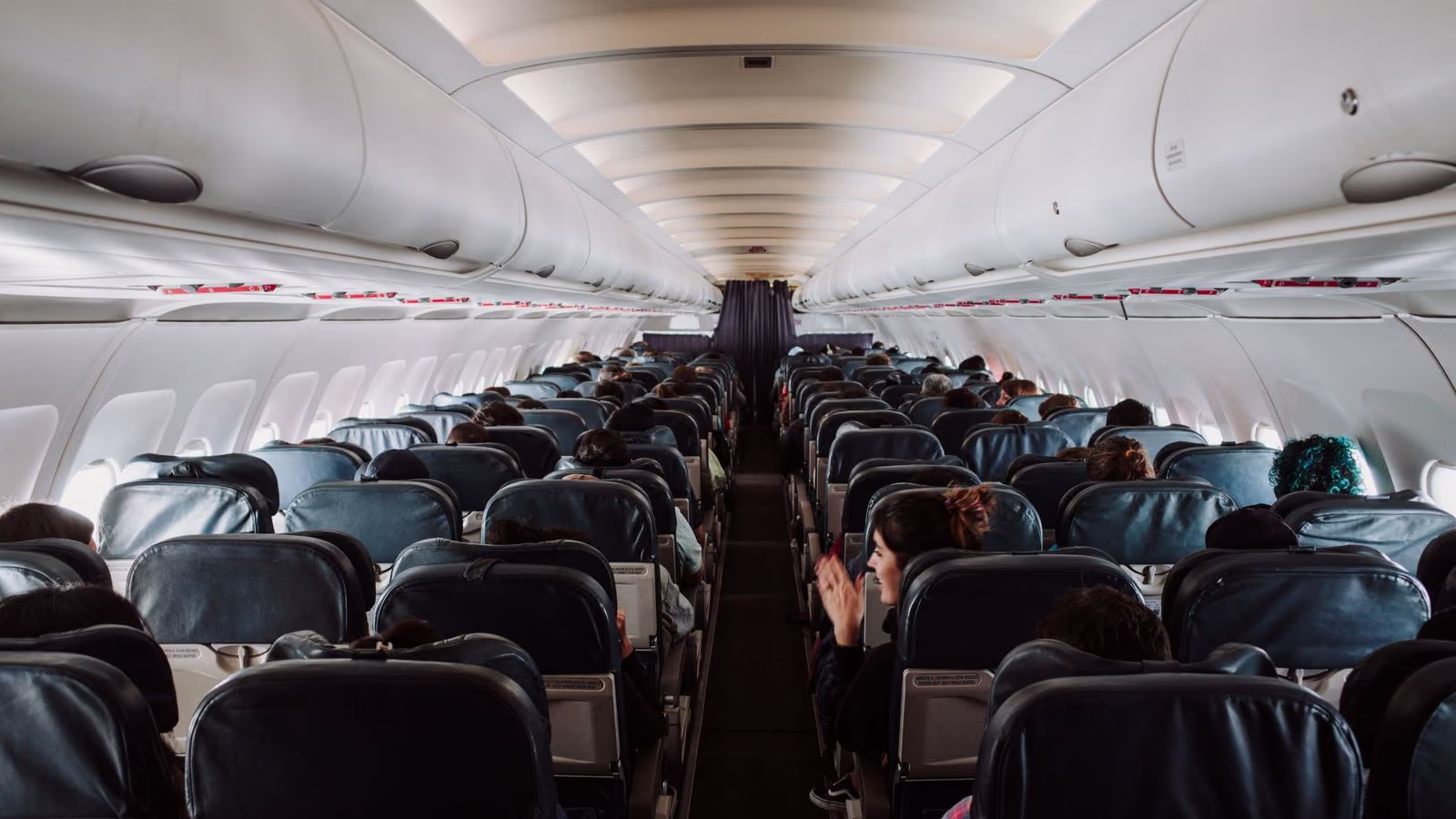
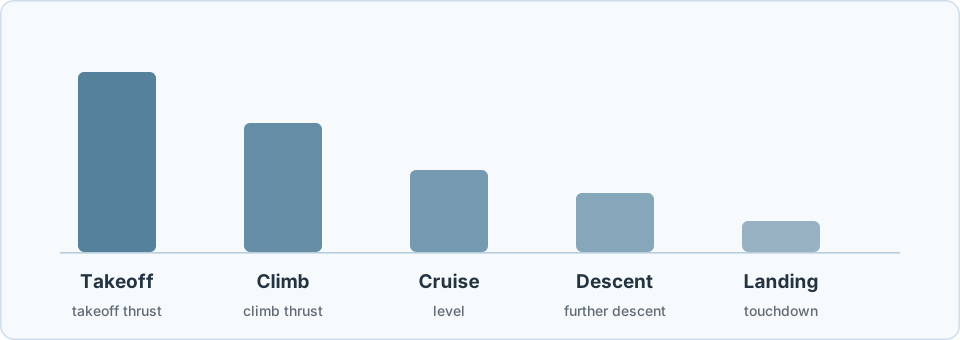
Plane engines can sound quieter after takeoff, sometimes as if they have cut out, and one possible reason is a planned reduction in thrust. In the typical jet departure described in an FAA report, the aircraft climbs on takeoff thrust, then thrust is reduced to a climb setting and the climb continues. The report notes that engine noise generally increases with power setting. Lower thrust is not an engine shutdown. This explains one pattern, not every sound on your flight.
What changes after the initial climb?
Engine power is not set once for the whole climb. In the departure the FAA report describes, the aircraft climbs on takeoff thrust, thrust is then reduced to a climb setting, the aircraft accelerates, and the flaps are retracted step by step. The report says this matches the ICAO procedure that is standard in the United States. A different ICAO procedure is the international standard.
The same report, Appendix A, section IV, compares these two noise abatement procedures, which differ mainly in where acceleration and flap retraction begin. A change that comes earlier or later than on your last flight does not explain, on its own, what is happening.
Does quieter mean the engine stopped?
You can hear that the sound changed. The sound alone cannot tell you the engine setting, whether the aircraft is still climbing, or what condition it is in. “It got quieter” is not the same as “an engine stopped”.
The FAA report is about noise around airports, not what you hear from your seat. It explains the departure sequence but cannot diagnose a whine, a thump, a vibration, or a sudden silence. Neither can this article: it cannot tell you that an unfamiliar sound is harmless.
What to do if the sound makes you anxious
Try something short that does not depend on working out what the sound was:
- Name what you noticed in plain words: “The roar got quieter after takeoff.” Leave the cause open instead of forcing either a reassuring or a frightening explanation.
- Keep listening for crew announcements. If you are concerned, tell a flight attendant what you noticed and when. Follow instructions rather than getting up to investigate.
- If you want to try a breathing exercise, keep it gentle. The NHS advises breathing comfortably, without forcing the breath; a steady count is optional. There is no need for a huge breath or for holding your breath.
These are self-help steps: not therapy, not a check on the aircraft, and not a promise that the anxiety will stop. You can ask for support even if you cannot describe the sound precisely.
Prepare a small note before flying
Write down the explanation you want to remember: “Quieter after takeoff can mean a lower climb setting. I don’t have to work out what the engines are doing.” Add one practical action, such as asking the cabin crew a question. Save the note somewhere you can read without an internet connection.
Keep the note about what you will do. Leave out any list of noises to wait for in order, so you are not left monitoring the aircraft all flight.
When to get help beyond this guide
If you feel unwell, tell the crew rather than assuming it is anxiety. The NHS notes that symptoms associated with panic can also have other causes. Get prompt help for new or severe symptoms instead of looking for reassurance in an article. If fear repeatedly disrupts travel or daily life, speak with a qualified healthcare professional about support beyond self-help.
Common questions
Why is engine power reduced after takeoff?In the typical departure described in an FAA report, thrust is reduced from the takeoff setting to a climb setting once the aircraft reaches a set height. The report notes that ICAO guidance recommends this reduction to cut noise. The sound alone still cannot tell you what is happening on your flight.
How long after takeoff do the engines get quieter?There is no fixed time to count. The FAA report ties the thrust reduction to a height set by the departure procedure, and procedures differ: it names one as the US standard and another as the international standard. Neither a stopwatch nor your last flight tells you what this one should sound like.
Should I tell a flight attendant that the sound worries me?Yes. Describe what you heard and when it changed, and say if you need help with anxiety. Stay seated when instructed and do not try to inspect the aircraft yourself.
Sources
Support without internet
Use Smooth Air to explore aircraft sounds and keep self-help practices ready for your flight. Not treatment or a safety check.