 Smooth Air
Why does turbulence feel like falling?
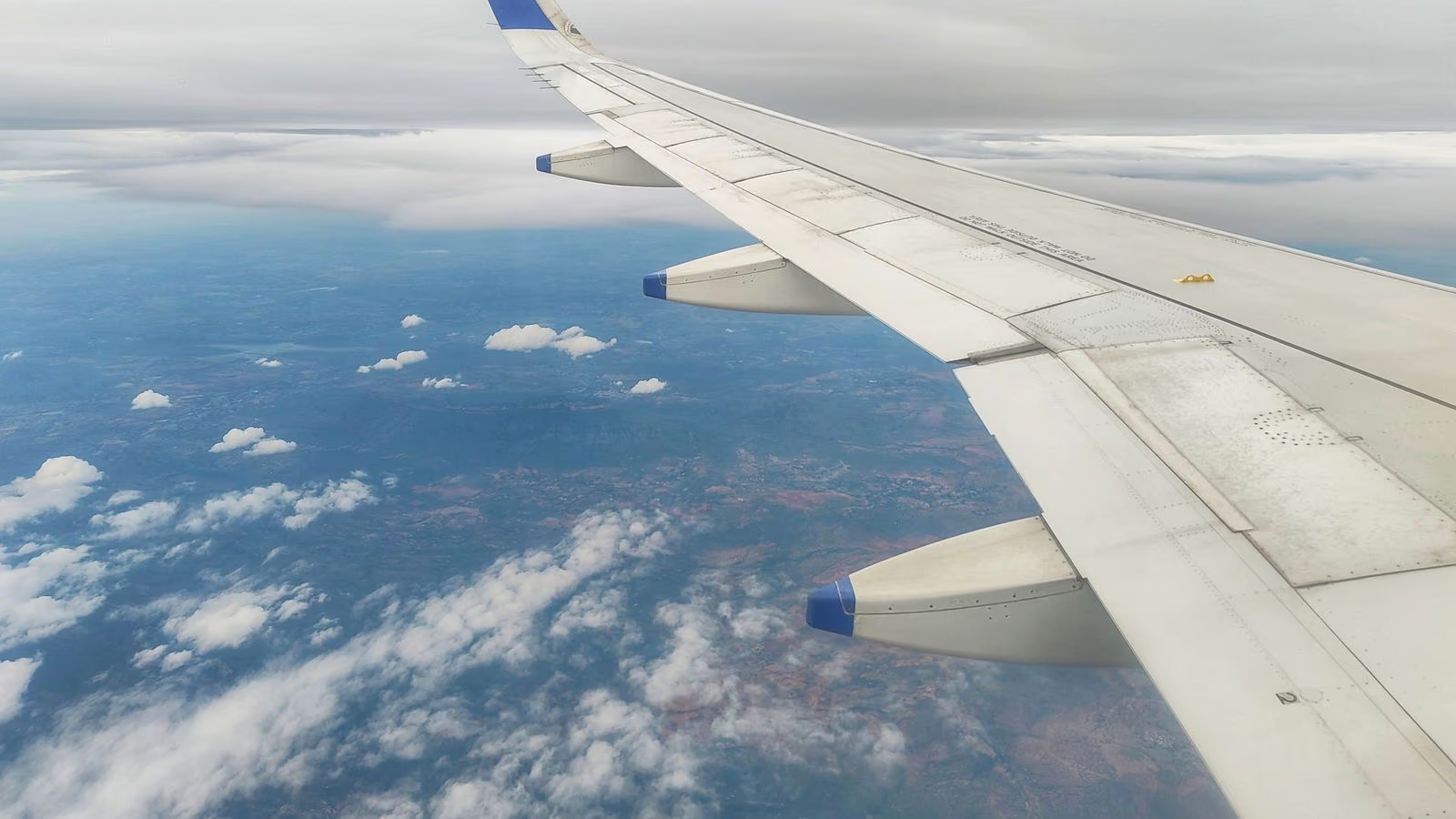
Turbulence can feel like falling, or make your stomach drop, because of your balance sense. The FAA pilot handbook explains that the inner ear responds to abrupt vertical acceleration, and that the body cannot tell gravity apart from other acceleration forces, which can create false impressions of movement. The feeling cannot tell you how much height was lost or whether the aircraft is safe. Stay seated with your belt fastened and follow the crew; turbulence can cause injuries.
What causes turbulence?
Turbulence is movement in the air. The FAA lists several possible causes, including jet streams, air around mountains, weather fronts, and thunderstorms. It can also occur when the sky looks clear, so looking out of the window cannot reliably tell you whether the next part of the flight will be smooth.
As the aircraft moves through changing air, you may feel jolts, a moment of lightness, or being pressed into your seat. You can respond to these with practical steps without working out what each one means for the aircraft.
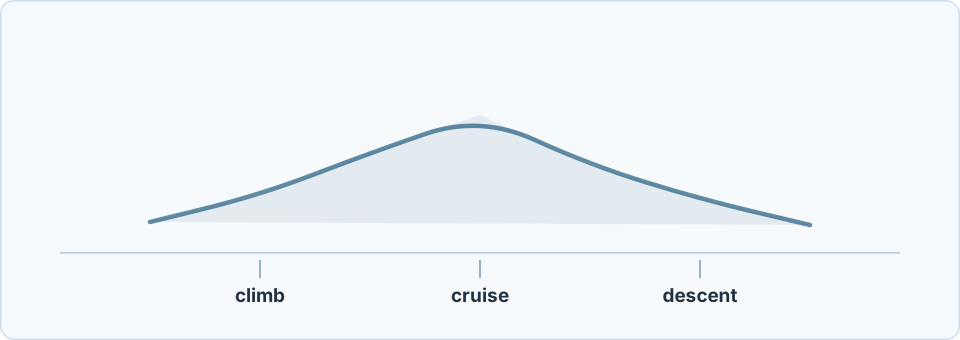
How far does a plane drop in turbulence?
Your body cannot tell you. In the aeromedical chapter of its Pilot’s Handbook of Aeronautical Knowledge, the FAA describes the “elevator illusion”: an abrupt upward acceleration, as in an updraft, can create the illusion of climbing, and an abrupt downward one, usually in a downdraft, has the opposite effect. The handbook is written for pilots; the part that applies to you as a passenger is that your sense of movement can mislead you.
The aircraft can move up or down in turbulence, but your stomach cannot tell you how far. No single figure for “how far planes drop” fits every encounter. This article cannot judge a particular jolt or promise that all turbulence is harmless, either.
What to do in your seat
The most useful thing you can do is keep your seat belt fastened while seated, even when the sign is off. The FAA warns that unexpected turbulence can throw unbelted passengers from their seats. Listen to the safety briefing and follow pilots’ and flight attendants’ instructions. Do not stand up to test how strong the movement feels.
For the anxiety itself, choose something simple:
- Focus on the crew’s next instruction rather than trying to predict the next bump.
- If it feels comfortable, let your breathing become gentle and regular. The NHS breathing exercise advises breathing without forcing it; counting is optional, not a target to beat.
- Tell the cabin crew that you are frightened or feel unwell. You do not have to wait until you are overwhelmed to ask for help.
These are self-help suggestions, not treatment or guarantees of calm. If focusing on breathing is uncomfortable, leave the exercise and ask for support. You can ask for help at any point without checking your phone or collecting readings first.
When to get more support
Do not assume that new or severe physical symptoms are “just panic.” The NHS notes that panic-like symptoms can have other causes. On board, alert the crew promptly if you are unwell or injured. If fear keeps disrupting sleep, travel, or daily life, speak with a qualified healthcare professional. This guide can help you prepare, but it is not an individual assessment or therapy.
Common questions
Is turbulence dangerous?It can be. The FAA says turbulence is normal and happens often, but it can throw passengers who are not wearing seat belts from their seats without warning. This guide cannot assess a particular encounter, so keep your belt fastened while seated and follow the crew.
Why can turbulence happen with no clouds outside?The FAA describes turbulence as air movement that normally cannot be seen, and notes it can occur even when the sky appears to be clear. A clear view is not a promise of a smooth flight, so keep your seat belt fastened while seated.
Can a turbulence app on my phone tell me if the plane is safe?No. A phone, a consumer app, or this guide is not a flight instrument or a safety check. A number on a screen is not permission to unbuckle and does not replace crew instructions.
Sources
Support without internet
Use Smooth Air to explore aircraft sounds and keep self-help practices ready for your flight. Not treatment or a safety check.